
Minimal Irrigation Project (MIP)
10 research stations in Madagascar
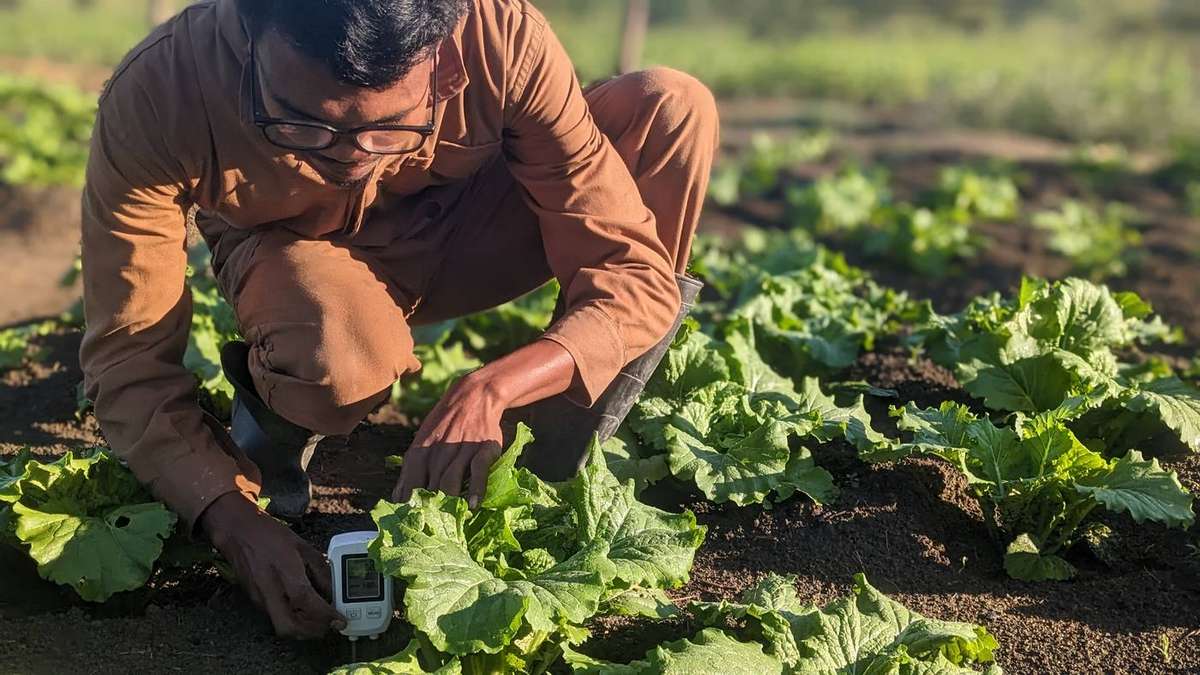
The Minimal Irrigation Project (MIP) is a research and innovation initiative led by FTA – Farming & Technology for Africa in Madagascar. The project emerged from a practical challenge: in many farming communities, water scarcity, increasingly variable rainfall, and the effects of climate change threaten agricultural production and household livelihoods. The MIP therefore addresses a central question: how can farmers maintain or increase agricultural production while using less water and relying on solutions adapted to local conditions?
Since its launch, the project has promoted an applied, participatory, and field-based research approach. Farmers are not simply considered beneficiaries of research results. They participate in identifying challenges, testing solutions, observing results, and assessing what works in their own farming environments. This approach allows scientific hypotheses to be tested against farmers’ realities, experiences, and locally developed knowledge.
The MIP explores minimal irrigation and efficient water-management techniques, including rainwater harvesting, micro-irrigation, drip irrigation, and simple tools and practices that help farmers better manage irrigation inputs. The objective is not only to identify technically effective solutions, but also to develop approaches that are affordable, practical, and compatible with the investment capacity of smallholder farmers.
Research activities are conducted through experimental sites and across different crops. Studies have included pak choi, carrots, green beans, watermelon, potatoes, beans, and leeks. Current research also addresses cropping practices, irrigation frequency, planting densities, fertilization, and the agronomic factors behind specific production challenges.
The project brings together farmers, researchers, technicians, students, and development partners to encourage experimentation, learning, and knowledge sharing. After three years of collaboration, the MIP had involved more than 500 farming households, with activities implemented in several regions of Madagascar.
Beyond producing scientific results, the MIP aims to turn knowledge into practical solutions that can be used in the field, through extension, technical documentation, and the sharing of experiences. Its broader ambition is to contribute to a more resilient, water-efficient, and climate-adapted agricultural sector in Madagascar, by developing solutions together with the people who will ultimately use them.
More on the website : www.fta-research.com